
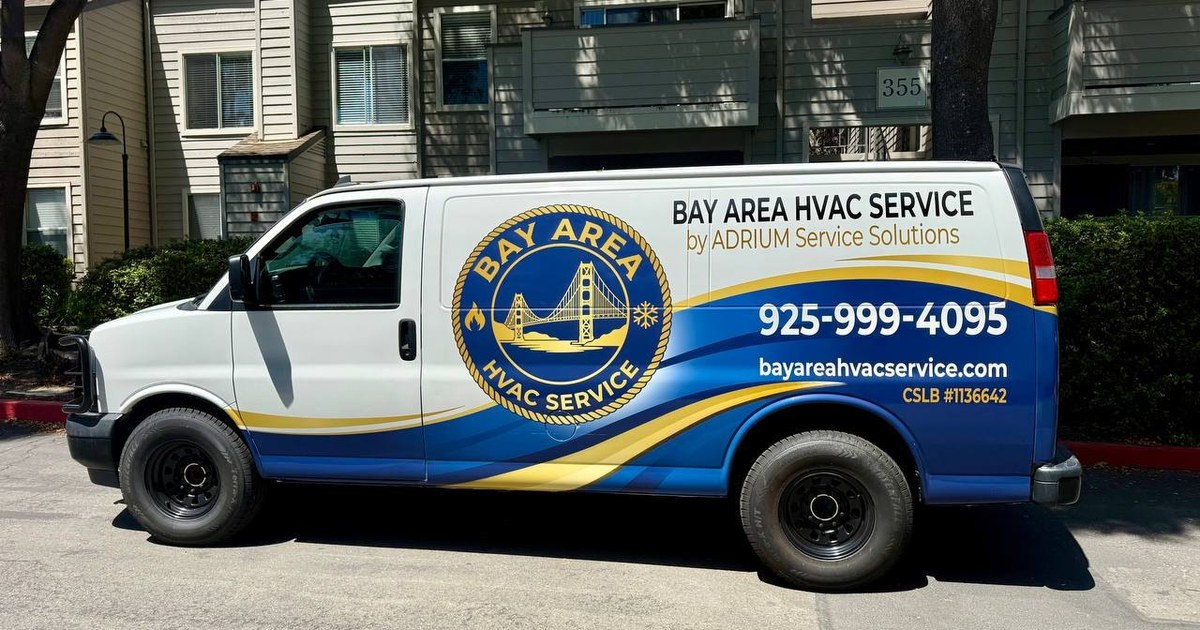
If your walk-in cooler isn’t cooling, the most common culprits are a dirty condenser, a failed evaporator fan, or a refrigerant leak. Most of these have clear symptoms a tech can spot quickly. Here’s how a diagnosis actually goes, and what you can safely check yourself before the truck shows up.
The Most Likely Causes, in Order
Dirty or blocked condenser coils are responsible for a large percentage of walk-in cooling failures, especially in kitchen environments. Grease and dust build up on the coil fins, the unit can’t reject heat, and box temperature climbs. The condensing unit will feel extremely hot to the touch and may be short-cycling (turning on and off rapidly). This one is fixable with a coil cleaning, though badly fouled coils sometimes need chemical treatment.
Evaporator fan failure is the next thing to check. The evaporator sits inside the box, and its fan circulates cold air over the product. If the fan motor dies or a blade breaks, the refrigeration system may still be running but nothing is moving the cold air around. You’ll notice the evaporator coil is frosted over solid, or the air near the unit isn’t moving. Sometimes the fan is just coated in ice from a defrost problem (more on that below).
Refrigerant leak is less common than the two above, but it happens. Signs include a box that slowly warms over days rather than crashing overnight, oil staining near fittings or the compressor, and a hissing or gurgling sound from the refrigerant lines. This requires a licensed tech with EPA 608 certification and recovery equipment. It’s not a DIY fix.
Failed or frozen defrost system. Walk-in evaporator coils accumulate frost during normal operation. The defrost cycle melts it off on a timer, with a termination thermostat cutting off the heaters once the coil is clear. If the defrost heater burns out, the timer sticks, or the termination thermostat fails, the coil ices over completely and airflow drops to near zero. The box gradually warms while the compressor keeps running. Classic symptom: a thick block of ice covering the entire evaporator.
Door gasket or door frame heater failure. If the door seal is torn or the frame heater fails (the resistance wire that prevents condensation and freezing along the door perimeter), warm humid air infiltrates constantly. The unit can’t keep up. This shows up as ice buildup along the door frame and higher-than-normal humidity inside the box.
Compressor or electrical failure is the worst-case scenario. A failed compressor means the refrigerant circuit isn’t circulating at all. The condenser fan may still spin but you’ll get no cooling. Compressor replacement is a major repair, and on an older unit it may make more sense to replace the condensing unit entirely.
What a Tech Checks First
When I send a tech out, the diagnosis sequence looks like this:
- Check box temperature and how fast it’s rising. A slow climb over many hours is a different problem than a box that’s already at 50°F by morning.
- Listen and look at the condensing unit. Is it running? Short-cycling? Condenser fan spinning? Any ice on the liquid line?
- Check suction and discharge pressures with gauges. Low suction pressure points to a refrigerant leak or a restricted metering device. High head pressure points to a dirty condenser or a condenser fan problem.
- Go inside and check the evaporator. Is the coil iced over? Is the fan running? Is there airflow?
- Check the defrost controls. Is the timer advancing? Has the unit been stuck in defrost?
- Inspect the door seals and door frame heater. A simple pull test on the gasket tells you a lot.
- Pull electrical readings on the compressor. Amp draw, voltage, and a quick continuity check on the start components.
Most failures turn up in steps 2 through 4. The gauges tell most of the story.
What You Can Safely Check Before Calling
A few things are safe to look at yourself and can save time on the service call:
- Look at the condensing unit. Is it visibly clogged with grease or debris? Is the fan blade spinning freely? Is the unit on and running?
- Check the thermostat or controller. Some units have digital controllers with basic fault displays. Note the reading and whether it shows an alarm.
- Feel for airflow inside the box. Hold your hand near the evaporator fan. Is air moving?
- Look at the evaporator coil. Is it a solid block of ice? That’s a defrost problem, not a refrigerant leak.
- Check the door seals. Close the door on a piece of paper. If it pulls out easily, the gasket needs replacing.
- Check the circuit breaker. Not a joke. It happens.
Write down what you find before the tech arrives. It speeds up the diagnosis considerably.
Stop There
Do not add refrigerant yourself. Handling refrigerants requires an EPA Section 608 certification. Adding refrigerant to a leaking system just delays the fix and can damage the compressor if pressures are already off.
Don’t pry ice off the evaporator coil with any tool. You’ll puncture the tubing, which turns a defrost-heater repair into a refrigerant repair. If the coil is iced solid and you need to slow product loss, turn the unit off and let it thaw naturally into the drain pan while you call us. That buys a little time. It doesn’t fix the underlying defrost failure.
Don’t bypass safety controls (like a high-pressure cutout) to get the unit running again. Those protect the compressor. Bypassing them can turn a fixable component failure into a compressor replacement.
Call a Pro
If the box is at or above 41°F and rising, you’re in food safety territory. Transfer high-value perishables and call now, not after the next shift.
Anything past visual checks requires refrigeration gauges and electrical test equipment. Guessing at parts on a walk-in is expensive, and the wrong guess can make things worse. A tech diagnoses the root cause on site, then provides a written repair estimate and timeline.
We cover walk-in and commercial refrigeration repair across the Bay Area. Call us at bayareahvacservice.com or dial the number on the site. We’ll get you on the schedule fast, often same or next day when we can.
Key takeaways
- Dirty condenser coils and evaporator fan failure are the two most common causes of a walk-in not cooling.
- An iced-over evaporator coil almost always points to a defrost system failure, not a refrigerant leak.
- A tech with gauges can usually pinpoint the cause by checking pressures and airflow before replacing any parts.
- If box temperature is at or above 41°F and climbing, you're in commercial food safety territory and should call immediately.
Related questions
Why is my walk-in cooler running but not cooling?
Can I add refrigerant to my walk-in cooler myself?
How do I know if my walk-in evaporator coil is frozen?
At what temperature should I call for emergency repair?
Need help with your system? Call (925) 999-4095 or book a visit. Repair diagnostics are $99, credited toward the repair. Installation assessments are free.
Further reading
Need HVAC help in the Bay Area?
We serve 56 cities. Same or next day when we can.
Bay Area · 7am–7pm · 7 days · no overtime charges