
Both are solid mini-splits. If I had to pick one for a typical Bay Area homeowner who wants something that just works and is easy to get serviced, I’d lean Mitsubishi. But Fujitsu is genuinely competitive and there are real cases where it’s the better call. Here’s how I’d actually think through the choice.
What You’re Really Comparing
At similar price points, the hardware difference between a Mitsubishi and Fujitsu is smaller than the marketing suggests. Both use inverter-driven compressors, both handle the mild Bay Area climate well, and both carry solid efficiency ratings across their mid-range lineups. The differences that matter in practice are parts availability, how contractors are trained, and a few comfort features that genuinely diverge.
Reliability and Parts
Mitsubishi has been the market share leader in North American residential ductless for a long time. That matters because your local supply house is more likely to stock Mitsubishi parts. When a control board goes at 7pm on a Friday, “parts in stock” versus “parts on order” is the whole ballgame. Fujitsu is not far behind, and in some parts of the country the gap is narrowing. But in the Bay Area specifically, I’ve found Mitsubishi parts easier to source on short notice.
Both brands have authorized service networks. Mitsubishi’s Diamond Contractor program has three tiers and is well-established; Fujitsu runs a similar program called the Elite Contractor Program. Either way, confirm your installer is actually authorized before you sign anything. An unauthorized installer can affect factory warranty coverage, and that’s a headache you don’t need.
Comfort and Features
Mitsubishi’s Hyper-Heat units (the H2i series) are the ones to know if you want reliable heating in seriously cold weather. They maintain full capacity down to 5°F and keep operating well below that. You don’t need that in the South Bay or the Peninsula, but if you’re in the hills above Oakland or in a spot that sees real cold snaps, it’s worth knowing the spec. Fujitsu has comparable low-ambient heating in its XLTH line and I’ve seen them perform fine in similar conditions.
Where Fujitsu has a genuine edge is the slim-duct and floor console options. If you’re retrofitting an older house with a room addition and the wall layout makes a standard high-wall unit awkward, Fujitsu’s console form factors give you more flexibility. Mitsubishi has floor units too, but Fujitsu’s range there is wider.
For whole-home control, Mitsubishi replaced its kumo cloud app in 2025 with a new app called Comfort by Mitsubishi Electric. The transition was bumpy and broke some third-party integrations, so if you’re planning to connect to Home Assistant or a similar platform, verify current compatibility before committing. Fujitsu’s app has improved over time but has historically been the weaker point for smart home users.
How Technicians Experience Each Brand
This matters more than homeowners realize. A tech who has installed thirty Mitsubishis and done the factory training can diagnose a problem in twenty minutes that might take two hours on an unfamiliar system. Both brands use proprietary communication between indoor and outdoor units, and troubleshooting without brand-specific tools and training is genuinely harder.
The fault code systems are different. Mitsubishi’s diagnostic codes show on the unit and are well-documented. Fujitsu’s codes are also documented but the method for reading them varies by generation. Neither is opaque if you have the right training, but if you’re in an area where Mitsubishi-trained techs are more common, that translates to faster and cheaper service calls over the life of the system.
Installation Considerations
Both brands have similar installation requirements. Line set sizing, electrical requirements, and refrigerant handling are comparable. One thing to watch on either brand: don’t let a contractor cut corners on the line set cover or the condensate drain routing. A sloppy install causes problems that look like equipment failure but aren’t.
If you’re doing a multi-zone system, Mitsubishi’s MXZ series outdoor units have a wide combination range, meaning more flexibility in mixing indoor unit sizes. Fujitsu’s AOU series is comparable but the combination charts have documented restrictions in certain configurations. Some indoor models aren’t compatible with every outdoor unit, and a few pairings require optional adapter kits. If you’re planning to expand later, check the combination tables carefully before settling on an outdoor unit.
Which One to Choose
For most Bay Area homeowners choosing between two similar quotes, I’d go Mitsubishi if parts availability and service network depth are the priority. Go Fujitsu if the specific form factor fits your space better, or if your contractor is significantly more experienced with Fujitsu installs. A Fujitsu installed well by someone who knows the brand beats a Mitsubishi installed by someone who doesn’t.
The brand matters less than the installer. Ask both contractors how many of that specific brand they’ve installed in the last twelve months and whether they’re factory-authorized. That question tells you more than the spec sheet.
When to Call a Pro
Any refrigerant work requires an EPA 608 certification, full stop. If your system is losing capacity and someone suggests just “topping off the refrigerant” without finding the leak first, find a different tech. Refrigerant doesn’t get consumed; it leaks. Finding and fixing the leak is the job.
Electrical work at the outdoor unit, control board replacements, and anything involving the refrigerant circuit are not DIY. Cleaning the filters and the indoor coil are. A dirty coil is one of the most common reasons mini-splits underperform, and it’s a legitimate maintenance task a careful homeowner can handle with the right coil cleaner and a bit of patience.
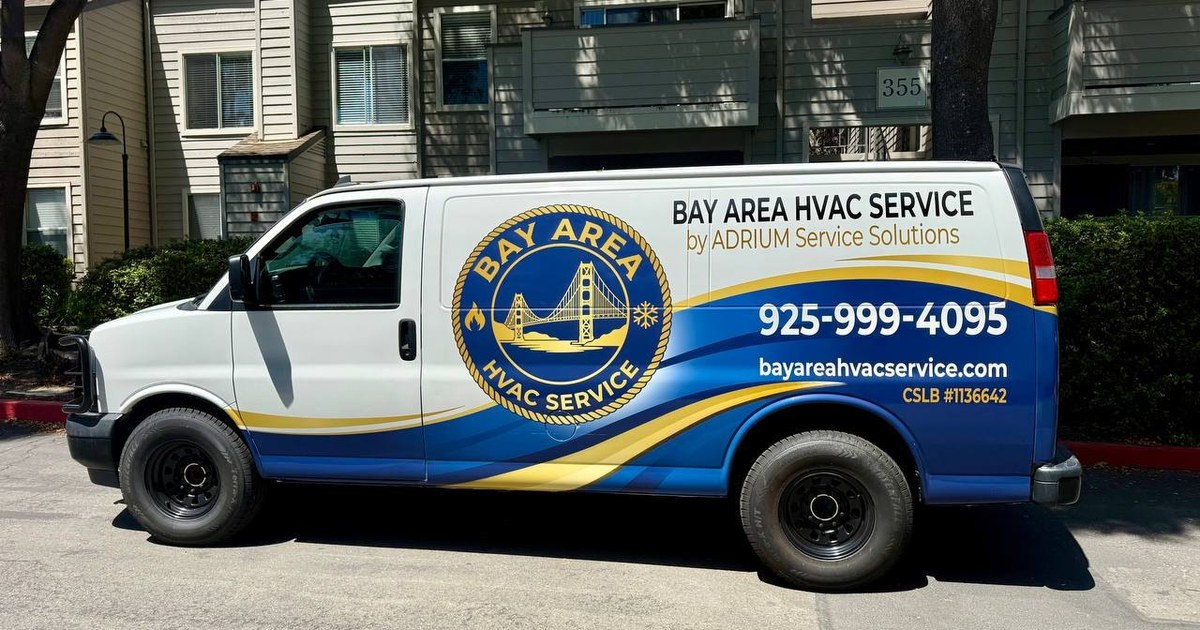
If you’re in the Bay Area and want a second opinion on a quote or need service on either brand, my team at bayareahvacservice.com works on both. We can usually get out same or next day for diagnostics.
Key takeaways
- Mitsubishi has broader parts availability in the Bay Area, which matters for service speed. Fujitsu is competitive and has better form-factor options for tricky room layouts.
- The installer's experience with the specific brand matters more than brand choice. Ask how many units of that brand they've installed in the last year and whether they're factory-authorized.
- Both use proprietary diagnostics. A factory-authorized tech diagnoses problems faster and cheaper over the life of the system.
- Refrigerant work requires EPA 608 certification. If a tech suggests topping off without finding the leak, walk away.
Related questions
Is Mitsubishi or Fujitsu more reliable?
Which mini-split brand is easier to get repaired in the Bay Area?
Can I install a mini-split myself?
How long do Mitsubishi and Fujitsu mini-splits last?
Need help with your system? Call (925) 999-4095 or book a visit. Repair diagnostics are $99, credited toward the repair. Installation assessments are free.
Further reading
Need HVAC help in the Bay Area?
We serve 56 cities. Same or next day when we can.
Bay Area · 7am–7pm · 7 days · no overtime charges