
A maintenance contract for small business HVAC is worth it if your system runs year-round, if a breakdown during business hours costs you more than the contract, or if you’re managing multiple units across a property. That’s the short answer. The longer version depends on what’s actually in the agreement.
What a Real Contract Should Cover
A solid contract has two parts: scheduled maintenance visits and some level of priority service or discounted repairs.
On the maintenance side, you’re looking for coil cleaning (both evaporator and condenser), filter changes, refrigerant pressure checks, electrical connection tightening, thermostat calibration, and a drain line flush. For heat pumps, add reversing valve inspection and defrost cycle verification. If a contract doesn’t list specific tasks, that’s a red flag. “Inspection visit” written in vague terms means a tech shows up, takes a look, and leaves.
On the service side, contracts typically offer one of three things: discounted labor rates, waived diagnostic fees, or priority scheduling. Some do all three. Priority scheduling matters most for commercial accounts because waiting four days in August for an AC repair isn’t just uncomfortable, it can affect employees, customers, and perishables depending on your business.
What contracts almost never cover: refrigerant itself (it’s priced separately and varies with market rates), major component replacements like compressors or heat exchangers, and repairs caused by lack of maintenance before the contract started.
How Many Visits Do You Actually Need?
For a small office, retail space, or light commercial building in the Bay Area: two visits per year is the industry minimum. One in spring before cooling season, one in fall before heating season. Some contractors recommend four quarterly visits for commercial properties, and that’s worth considering if you’re running equipment hard in a restaurant kitchen, server room, or similar environment.
In a restaurant or cafe, keep the contract boundaries clear. HVAC maintenance covers the air system, not the espresso boiler, brew group, or grinder. Those assets need their own checks through a commercial coffee machine repair service, so a single vendor’s HVAC visit is not mistaken for a full kitchen-equipment inspection.
If your units are older (10-plus years), more frequent visits make sense because small issues become expensive ones faster. If your equipment is newer and lightly loaded, two visits is a reasonable starting point.
What’s Filler
Some things get added to contracts to make them look comprehensive without adding much real value:
“24/7 emergency availability” sounds great. In practice, verify whether that means a live technician or an answering service that schedules you for the next morning. Ask directly.
Annual filter changes included. Fine, but most commercial systems need filters changed every one to three months. A once-a-year change included in the contract doesn’t solve your filter problem.
“Complete system tune-up.” This phrase means nothing by itself. Ask for the task checklist in writing before signing.
Warranties on covered systems. Some contracts state that covered systems get extended parts warranties. Read the fine print. Those warranties often have exclusions that swallow most real failure scenarios.
What Makes the Math Work
Commercial HVAC maintenance contracts vary widely based on system size, number of units, and what’s included. Get quotes from at least two or three contractors; do not accept the first number.
The math is straightforward: a diagnostic service call in the Bay Area typically runs somewhere in the $75 to $200 range, varies by situation. An emergency after-hours call costs considerably more. If your contract includes waived diagnostics and priority service, you recoup that value pretty quickly on a single service event.
What tips the math toward “worth it”: you have rooftop units you can’t easily monitor, you have a lease that makes you responsible for HVAC maintenance, or your business is sensitive to temperature (food, wine, electronics, medical).
What tips it toward “skip it”: you have a single mini-split that you monitor yourself, your landlord handles HVAC, or your system is brand new with full manufacturer coverage.
Multi-Unit Properties and Property Managers
If you’re managing a strip mall, small office building, or multi-tenant commercial space, contracts start to pay for themselves more clearly. Bundling multiple units with one contractor usually gets you a better per-unit rate. It also means one vendor relationship, one call, one billing line.
For property managers specifically: make sure the contract specifies which tenant spaces are included and whether the contractor will coordinate directly with tenants for access. That coordination detail saves a lot of back-and-forth.
Negotiating the Contract
A few things worth asking for when you’re comparing proposals:
Ask for the task checklist in writing, not just “two visits per year.” Confirm what’s excluded. Ask how priority service actually works (response time, after-hours availability, what counts as an emergency). Ask whether refrigerant is at cost or marked up. Ask whether the rate is fixed for the contract term or can change.
Most contractors will negotiate, especially if you’re bundling multiple units or signing a multi-year agreement.
When to Call a Pro
If your system is making sounds it didn’t make before, if energy bills have climbed without explanation, or if the system is cycling more than usual, those are reasons to call before a breakdown happens rather than after. A maintenance visit often catches those things early.
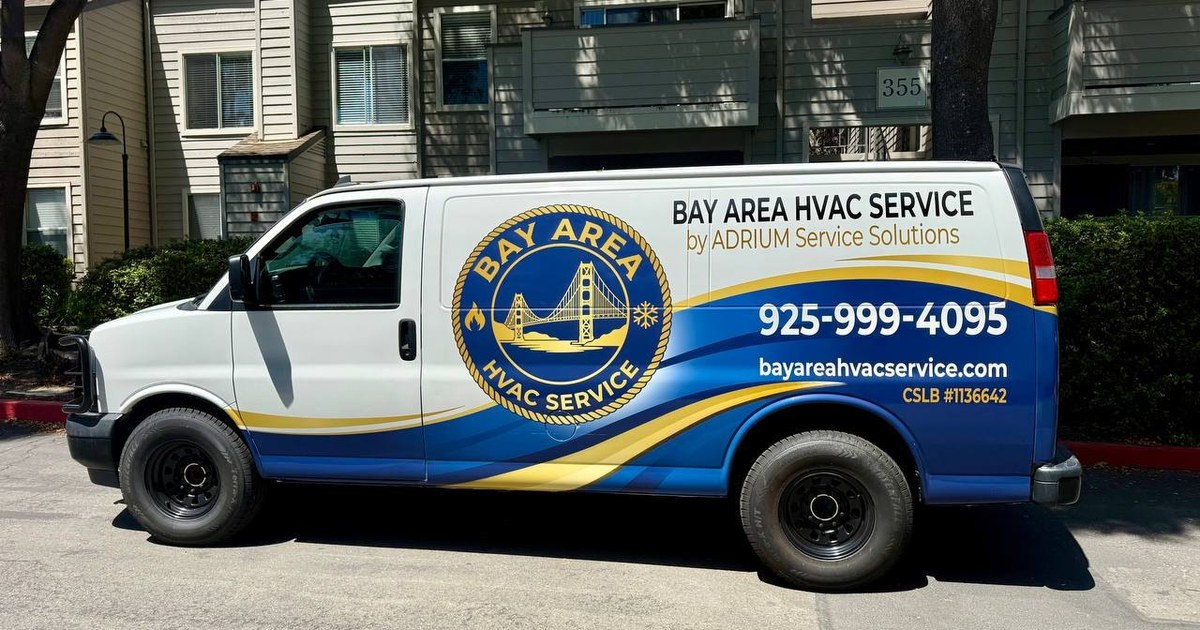
For Bay Area small businesses, bayareahvacservice.com handles commercial maintenance contracts and can walk you through what makes sense for your specific setup without pushing you toward a contract that doesn’t fit.
Key takeaways
- A real contract lists specific maintenance tasks in writing, not just 'inspection visit' language.
- Two visits per year is the industry minimum for most small offices and retail spaces; quarterly visits are worth considering for older or heavily loaded equipment.
- Priority scheduling and waived diagnostic fees are often the highest-value contract benefits for small businesses.
- Refrigerant, major component replacements, and pre-existing issues are almost never covered, regardless of what the sales pitch implies.
Related questions
What does an HVAC maintenance contract typically cover for a small business?
How often should a small business have its HVAC serviced under a contract?
Is an HVAC maintenance contract worth it for a single-unit small business?
What should I watch out for in a commercial HVAC service agreement?
Need help with your system? Call (925) 999-4095 or book a visit. Repair diagnostics are $99, credited toward the repair. Installation assessments are free.
Further reading
Need HVAC help in the Bay Area?
We serve 56 cities. Same or next day when we can.
Bay Area · 7am–7pm · 7 days · no overtime charges