
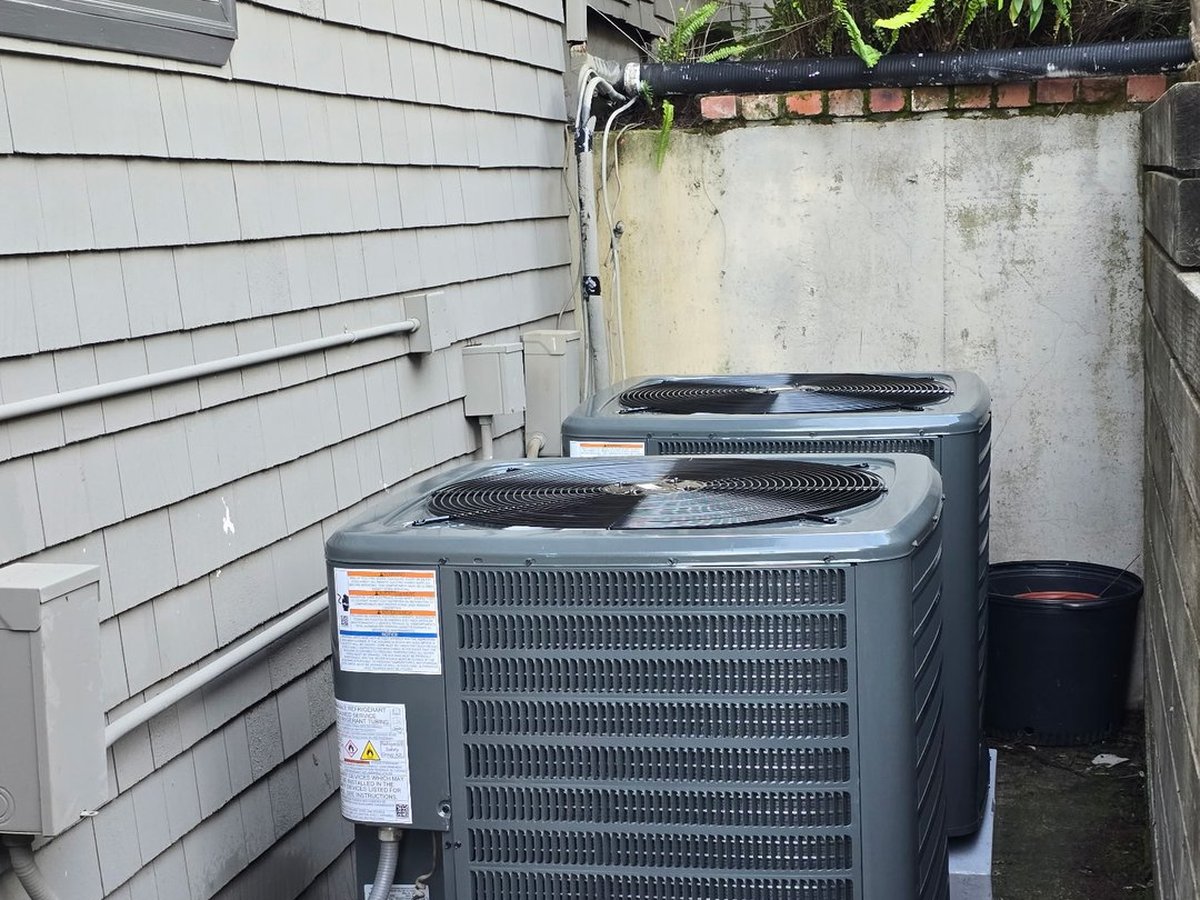
A Home Energy Score is a U.S. Department of Energy rating from 1 to 10. Ten is best. The score is generated from a one-hour on-site audit by a certified assessor. It is not an estimate or a guess. The DOE tool takes the measured inputs and returns a number that buyers, sellers, and lenders can use the same way across the country.
We coordinate the audit with a certified DOE HES assessor in the Bay Area when a homeowner asks for one, when we are already on site for a heat pump quote, or when an MLS listing needs it before going active.
What we look at in the hour
The score depends on the building envelope, the HVAC equipment, and the windows. The assessor walks the home and collects:
- Wall, ceiling, and floor insulation type and approximate R-value
- Duct location and condition. Attic ducts in older Tri-Valley homes are usually the biggest single drag on the score
- HVAC equipment age, SEER2 or AFUE rating, and tonnage
- Window count, glazing, and frame type
- Water heater type and fuel
- Air leakage when the homeowner asks for a blower door test
Combustion safety on gas appliances gets a separate check. The assessor tests the furnace and water heater for draft and CO at the burner. This is not part of the DOE score itself but it is part of how the audit visit is run. If something fails it gets written up before the score goes out.
What BayREN pays
BayREN runs the Bay Area Regional Energy Network programs. The Home Energy Score incentive has paid $200 in recent cycles, plus an additional $50 for completing the Electrification Checklist. Both come and go with funding. We confirm what is currently paying at booking. When neither is open we say so and quote the audit as a private service.
For comparison: federal Section 25C expired December 31, 2025, and Tech Clean California closed November 14, 2025. We do not quote either. The BayREN incentive is the live program for the audit itself. Separate utility programs through MCE, PG&E, and Ava Community Energy (formerly EBCE) in Alameda County may pay for equipment upgrades that the score recommends.
What the report looks like
The output is one PDF with two parts. The first part is the score and a comparison band against similar Bay Area homes. The second part is a prioritized list of upgrades. Each upgrade line shows the score gain, the rough cost, and the payback estimate. The DOE generates the recommendations. We do not add or remove items from the list.
A typical Bay Area report names duct sealing, attic insulation upgrade, and HVAC replacement near the top. Older Tri-Valley homes often show the score gain biggest on duct work because the attic ducts in those homes were installed before R-8 was standard.
When the audit makes sense
The audit is worth doing when:
- You are selling and the listing benefits from a verified efficiency number
- You are planning HVAC or insulation work and want a baseline before and after
- You want a prioritized roadmap before deciding what to do first
- You qualify for the BayREN incentive and the audit cost is covered
The audit is not worth doing when the home is already in the middle of a major remodel that will change the envelope before the report dries.
Booking
Call (925) 999-4095 or use the form on the contact page. We confirm BayREN funding status and the visit window when we book. The walkthrough with the certified assessor is about an hour, the written report goes out within 48 hours, and the BayREN paperwork is handled as part of the service.
Key takeaways
- DOE Home Energy Score is a 1 to 10 rating. 10 is best. Walkthrough takes about an hour.
- BayREN typically pays $200 for the score plus $50 for the Electrification Checklist when funding is open. Confirm at the time of booking.
- The audit covers insulation, ducts, building envelope, combustion safety, and HVAC condition.
- Buyers can use a recent score on the MLS listing. Owners use it to prioritize upgrades.
- We run the audit on the same visit as a quote or seasonal tune-up where it makes sense.
Related questions
How long does the Home Energy Score audit take?
What does the $200 incentive cover, and is it still active?
Will the audit damage my home or take HVAC offline?
Can the score be used when selling the house?
What if my score is low?
Need help with your system? Call (925) 999-4095 or book a visit. Repair diagnostics are $99, credited toward the repair. Installation assessments are free.
Further reading
Need HVAC help in the Bay Area?
We serve 56 cities. Same or next day when we can.
Bay Area · 7am–7pm · 7 days · no overtime charges